If you source or design industrial automation systems, one trend is already clear: industrial connectors will get smaller, faster, and more expensive in 2026.
This isn’t speculation. It’s driven by three converging forces: miniaturization of field devices, soaring bandwidth demands, and rising material costs.
Smaller – Because Space Is The New Premium
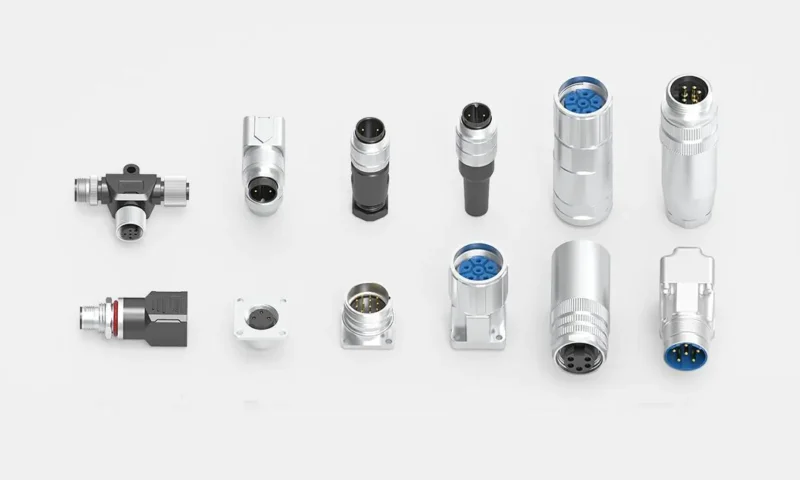
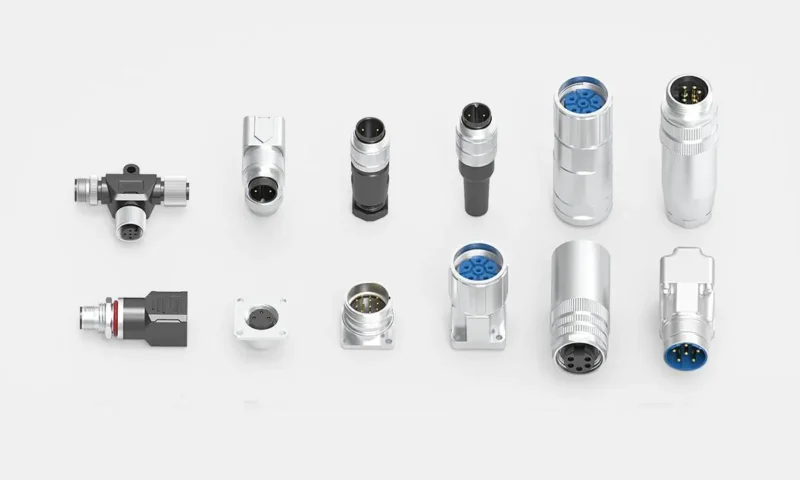
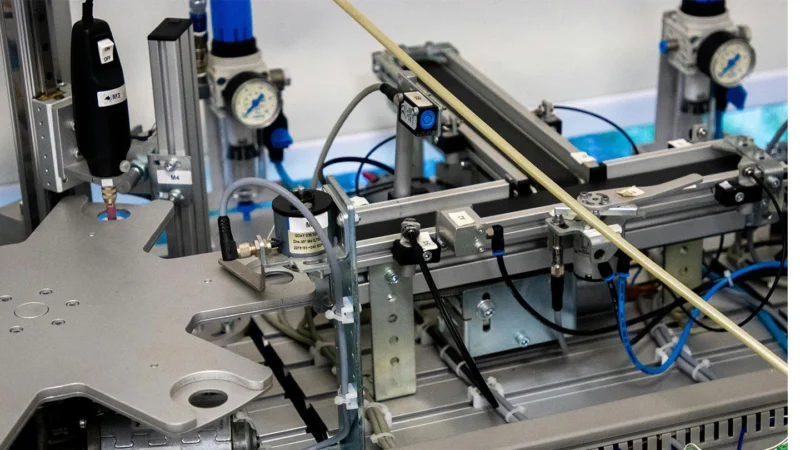
AI vision cameras, compact robotic arms, and decentralized I/O modules leave no room for bulky interfaces. M8 and M12 connectors are already pushing into form factors once reserved for custom interconnects. By 2026, industrial connectors smaller, faster, more expensive becomes the default spec, not an upgrade.
Faster – 10 Gbps Is No Longer Nice-To-Have
Real-time control and image-based sortation require more than 1 Gbps. M12 X-coded connectors now deliver 10 Gbps at 500 MHz, directly replacing RJ45 in PROFINET and EtherCAT networks. If your factory runs AI or vision systems, speed is non-negotiable.
More Expensive – Raw Materials Drive The Increase
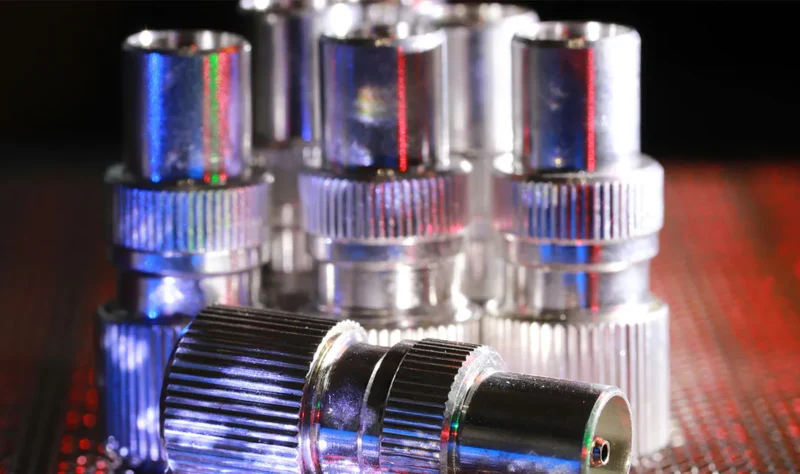
Copper, gold plating, and high-performance thermoplastics have risen 18–25% since 2024. Suppliers are passing costs through. Expect 2026 industrial connector pricing to reflect that, especially for IP67/IP69K and push-pull locking versions.
What You Should Do Now
- Audit current connector specs for bandwidth bottlenecks
- Consider M12 X-coded or M8 S-coded for new designs
- Lock in 2026 pricing early with frame agreements
Industrial connectors are evolving fast. Smaller, faster, and more expensive in 2026 is not a forecast—it’s a heads-up.